
Differences between 4001s & 4003s
Moderators: rickenbrother, ajish4
-
pflash4001

- Member
- Posts: 449
- Joined: Thu Dec 30, 2004 12:52 am
- Contact:
Differences between 4001s & 4003s
I have 2 4001s and both seem quite different in certain respects. I wanted to know what the major differences are between 4001s over the course of their production run. When did they end manufactering 4001s? what are the differences between 4001s and 4003s? Thanks! You guys have been an invaluable source of information!
Never ask "how much worse could it possibly get?"
-
bassduke49

- Senior Member
- Posts: 6580
- Joined: Wed May 14, 2003 5:00 am
Where to begin? Well, the main difference is that the 4003 was a structural improvement over the 4001, mostly to strengthen the neck to support the popular round-wound strings (usually higher tension). The 4003 started in the early 1980s, and for a while, both were featured in the RIC catalogs as being available. The 4001 ceased in the mid 1980s, and don't confuse the vintage series 4001 models (V63, C64) with the originals. The vintage machines look like the old 4001s, but they are structurally similar to the 4003 as far as the truss-rod arrangement. In the big picture, the 4001 and 4003 look alike, but after a while, you'll learn what to look for. Establishing the production date is the easiest way.
What 4001s do you have? Can you post pictures? That would help us tell you what you have. Do you know how to determine the production dates?
What 4001s do you have? Can you post pictures? That would help us tell you what you have. Do you know how to determine the production dates?
Author: "The Rickenbacker Electric Bass - 50 Years As Rock's Bottom"
-
pflash4001
- Member
- Posts: 449
- Joined: Thu Dec 30, 2004 12:52 am
- Contact:

-
jwr2
A 68 is quite different from a 79 ... the 68 has a different neck construction and different pickups ... and the 4003 is quite different from your 79 ...
The 68 is a wonderful instrument ... but also a little weak and fragile ... the pickups are also weaker ... a 79 has hotter pickups and a stronger neck ... a 4003 has pickups that are even hotter than the 79 and the neck is stronger as well ... the 4003 has a modern truss rod system ...
There are more differences than the ones I listed ... like electronics, headstock shapes, etc ...
The 68 is a wonderful instrument ... but also a little weak and fragile ... the pickups are also weaker ... a 79 has hotter pickups and a stronger neck ... a 4003 has pickups that are even hotter than the 79 and the neck is stronger as well ... the 4003 has a modern truss rod system ...
There are more differences than the ones I listed ... like electronics, headstock shapes, etc ...
The 4001 began in 1961. The early ones had milky, full width inlays on fingerboard that were nearly flat and slightly wider than they are now. The neck slabs were a single piece of wood similar to the current production only rectangular. The neck heels were squared of until about '64. After that they had rounded corners like the current ones. The early headstocks were larger and hand broad walnut wings. Until sometime in '68 the pickup arrangement was a toaster 1/2" inch off the end of the fingerboard and a horseshoe pickup in the treble spot. The tailpieces and bridges were cast aluminum until about '72 / '73. In about '71, the neck construction changed to the 3 piece design with two pieces of maple sandwiching a thin stripe of shedua (a relative of bubinga). Also around then the first high gain pickups appeared. They had screw tops back then. The headstock shrunk to its 70's size which was nearly an inch shorter than the previous headstock. Sometime between '72 and '73 the inlays changed from the full width crushed MOP type to a milky full width type that are similar to the early 60's style. The button top high gains appeared around '72. During '73 the 4001 lost its checkerboard binding and full width inlays to single ply binding and poured resin inlays with rounded corners. The cast aluminum tailpices (which were made in the Electro String plant) were replaced with the first generation cast zinc type. 1975 was a transition year. The neck pickup moved to the 1 inch position but the bodies were routed to accept either pickguard style. Also in '75, lead weights were added to the fingerboards to address resonance problems. The practice continued to at least '77. During '77 the pickguard changed again in that the knobs went from the earlier parallel layout to a more oblique pattern. The 4001 was discontinued sometime in '80 / '81. Despite the fact that some 4001s bear serial numbers as late as 1986, none were actually produced that late. The 4003 began in 1980 / '81. The first ones have the old style rods but adjusted from the body end. The pickguards on those examples were two-piece. Early 4003s were all over the road as far has construction goes. Some have 3 piece necks like the 4001 but instead of shedua there was a stripe of maple down the center. Later, the 4003 got a two piece neck. By mid-year '84 (August) the construction had settled on a one piece neck slab and the modern style rods. By 1986 the two piece guard gave way to the single guard and the truss adjusters moved back to the headstock. Somewhere along the line (84?) the 4003 got a tapered neck slab. The slab is wider at the strap button than it is at the tip of the headstock. When that happened, the headstock wings widened to be similar to the 1960's head wings. Also in the mid 80's screws were added to the tailpiece to counter end lift. The biggest changes in the 90's were in the electronics. Namely, the pickups got hotter. The pickguard controls moved back to the older parallel style. The headstock became more bulbous in the late 90's and the necks became a little more beefy. Into the 21st century RIC continued to refine the 4003. The tailpiece was re-designed to resist lift. This was done by adding zinc to thicken the sides. Walnut wings reappeared along with the vintage tone option and screw top pickups. Some things have come full circle but all in all the breed has continued to evolve.
-
pflash4001
- Member
- Posts: 449
- Joined: Thu Dec 30, 2004 12:52 am
- Contact:
Damn, that's a lot of information. I do have a lot to learn. Like I said earlier, the '68 has never really been in playing condition as long as I have had it. It was in the shape it is in now when I first saw my Dad with it. Therefore, I have never really had strings at tension on it. It has just been sitting in a case for a very long time. What kind of strings should I keep on the '68? Is there anything to avoid? So the same rules on strings apply to the '79? Thanks! You guys are a treasure trove of information!
Never ask "how much worse could it possibly get?"

-
rick_redux
- New member
- Posts: 15
- Joined: Sat Sep 23, 2006 2:15 pm

Thanks Ted. Pretty close, and I would add that the 7 screw bridge coincided closely with the split guard 4003s. The early 80s were a fertle time for Rick basses with all the transitions, plus color options, and the various off shoot models (4000, 01, 02, 03, 05, 2000 series, 3000 series.
No matter where you go - there you are.
-
jwr2
My 68 had a really bowed neck when I bought it in 1973 ... I had the truss rods adjusted and then it was ok ... it never got adjusted again ... it looks like your '68 had some wood removed for a big humbucker neck pickup ... the neck can be repaired on that 68 and once it is repaired it should be able to handle most strings ...
-
sloop_john_b

- Rick-a-holic
- Posts: 13843
- Joined: Tue Jan 25, 2005 6:00 am
-
captain_jetglo
- New member
- Posts: 90
- Joined: Thu Jul 28, 2005 11:06 am
- Contact:
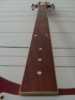
Ted, I'm amazed with such a knowledge. Thank you very much, this was a question I always had going round in my head and never asked for. So, thank you for you invaluable post and thanks to Javier for his question. Now I know more about my 4001s '75. Here's a picture of my lady
I've turned into a kind of Dr. Rickenbackernstein, but I'm looking for hints and help
-
rickaddict
- Senior Member
- Posts: 6163
- Joined: Mon Mar 29, 2004 7:46 am

Great post Ted - I have created a Wordpad doc and saved it for future reference!
Andy's post raises a question I've had waiting to be asked.. Can you take a current toaster and cut off the magnets and end up with one that has the same magnetic force as the short pole toasters from the 60s? I realize it will weaken the output (less magnetic field), thus my asking. When did the early toasters go from the 5k range to the 7.4k range back then?
Andy's post raises a question I've had waiting to be asked.. Can you take a current toaster and cut off the magnets and end up with one that has the same magnetic force as the short pole toasters from the 60s? I realize it will weaken the output (less magnetic field), thus my asking. When did the early toasters go from the 5k range to the 7.4k range back then?