Buying a Fireglo 4001 or 4003?
Moderators: rickenbrother, ajish4

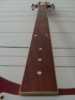
Question? I don't like the look of the "pink" late model Fireglos, but want the construction features of the 4003. When did the Fireglo go the the abrupt "windowed" look it has now? Are there any years 4003 that have the more vintage looking burst. The Fireglo v63s shown above look more mellow. Did the v63/c64 get a vintage looking Fireglo finish?
No matter where you go - there you are.



-
iamthebassman

- Veteran RRF member
- Posts: 2415
- Joined: Tue May 28, 2002 5:00 am
- Contact:


So Jim you're saying that at least the mid '90s 4003 has a more pleasing burst? Taking it a bit further for me to nail the "one", I like the elongated '60s headstock of late. It seems that this feature started around '97 as in your photo above. So, it is a safe bet that a 97 4003 has a darker Fireglo burst with the '60s headstock and the late truss rods and hi-gains? If so, this may be what I'm after. I just don't want a pink bass, so a new one is out. I know, pinky, picky.
No matter where you go - there you are.
...also does anyone have experience putting a v63 pickguard on a 4003. Aside from the obvious relieving of the treble PU route, I seem to remember a clever eye can catch that it doesn't fit the body right. I like v63s, but I also like shark tooth inlays and binding. Sort of best of all worlds I guess.
No matter where you go - there you are.
Wes,
I'd agree with your reasoning, so at leasat till 97 the Fireglo was a much darker patern overall. Construction wises I'm delighted with my 97 which I've owned from new, I've never had any problems with the neck or intonation, and she's had rounds on her continually.
By all means be as picky as you wish, I've been hunting for a 73-4001 in Fireglo with Chequered binding for a while now, during that hunt I found my 92 v63.
It'd be an interesting exercise to get as many 400X Firerglo owners to post pics and then sort them by age and model. This would give a wonderful insight into the style of the Glo finish over the years.
The only other thing I can think of for the change in the depth of finish is that it could possibly be an individual employee at the factory who prefers the more translucecent finish of late.
I'd agree with your reasoning, so at leasat till 97 the Fireglo was a much darker patern overall. Construction wises I'm delighted with my 97 which I've owned from new, I've never had any problems with the neck or intonation, and she's had rounds on her continually.
By all means be as picky as you wish, I've been hunting for a 73-4001 in Fireglo with Chequered binding for a while now, during that hunt I found my 92 v63.
It'd be an interesting exercise to get as many 400X Firerglo owners to post pics and then sort them by age and model. This would give a wonderful insight into the style of the Glo finish over the years.
The only other thing I can think of for the change in the depth of finish is that it could possibly be an individual employee at the factory who prefers the more translucecent finish of late.
"It's Red Jim, but not as we know it...."
Jim, Being in manufacturing I doubt that finish application is left up to the individual from a quality control and cost standpoint. No this change in appearance for whatever reason, was by design. Perhaps just to differentiate Rickenbacker from other brands with a red burst finish. For others Jetglo is black, Mapleglo is natural, Autumglo is tobaco or 2-tone burst, and Fireglo is akin to cherry burst without the vintage tint. It's all just marketing in the end. I'm sure the Fireglo has changed over the years. And to complicate matters, individual examples have faded and yellowed at different rates over the years. As an example, look at the variety of white (what no glo?) 4001s out there. They vary from snow white as new, to puke yellow. This same phenomenon is occuring on the other clear coated finishes like Fireglo. Look at Bugandyglo it is found from wine colored to almost black. Some of the old Autumnglos and Fireglos can even be confused, they are so dark! BTW, can anyone tell me in common terms what Rick's Conversion Varnish (clear coat) is. The way most of these instruments have held up over the years (yellowing, chipping) I'm not that impressed. Was this an early catalyzed (sp?) acrylic clear? I bet old Phillip Conard can enlighten us on the photo processes of finish degradation; what say you Phillip?
No matter where you go - there you are.



Wes,
I come from a manufacturing background as well, so I appreciate your comments on quailty / cost control. The reason for my statement is based on the fact that the finishes are applied manually, and as such are at the control of the person applying the finish.
In the video clips I've seen from the Factory the application of the stain and finish was a completley maunal process applied "freehand".
I agree that the move to a lighter colour was / is deliberate, however your own comments on the diversity of the various "Glo's" over the years would seem to support my contention that the person applying the finish has significant control over it.
I come from a manufacturing background as well, so I appreciate your comments on quailty / cost control. The reason for my statement is based on the fact that the finishes are applied manually, and as such are at the control of the person applying the finish.
In the video clips I've seen from the Factory the application of the stain and finish was a completley maunal process applied "freehand".
I agree that the move to a lighter colour was / is deliberate, however your own comments on the diversity of the various "Glo's" over the years would seem to support my contention that the person applying the finish has significant control over it.
"It's Red Jim, but not as we know it...."