

A few days ago a friend came over and I showed him my custom made Fiesta Red Stratocaster with gold hardware and my 340/6JG . Both guitars had been treated with ScratchX and Zymol and were polished to a high gloss and were stunning in their illuminated glass display cases. But he could not take his eyes off the 340. I asked him which guitar he liked better and he immediately pointed to the 340, adding that he had never seen such a beautiful guitar. And I agree with him. I love my Strat, but the Rick is unique. It is absolutely perfect and I don't see what could be added or taken away to make it look better.
I would like to ask who specifically designed the 330 (340) ?
Who designed the 330 model?
Moderators: rickenbrother, ajish4
-
paologregorio

- Senior Member
- Posts: 6376
- Joined: Wed Aug 08, 2007 12:56 pm
- Contact:
Re: Who designed the 330 model?
Roger Rossmeisl for the most part, at least according to what I've read.
Here's a forum blurb on the subject: http://www.rickresource.com/rrp/theroger.html
Vintage Guitar article: http://www.vintageguitar.com/features/b ... p?AID=1145
Yep, 300 series Rickenbackers, among other Ricks, are unique, and have one of the most eye catching, distinct, elegantly beautiful shapes of any guitar I can think of.
Here's a forum blurb on the subject: http://www.rickresource.com/rrp/theroger.html
Vintage Guitar article: http://www.vintageguitar.com/features/b ... p?AID=1145
Yep, 300 series Rickenbackers, among other Ricks, are unique, and have one of the most eye catching, distinct, elegantly beautiful shapes of any guitar I can think of.

Re: Who designed the 330 model?
Yeah, Roger Rossmeisl did the majority of the development of the early Capri's which over time evoloved into what is today's 330 and 360.
---------------------------------------------------------------
Music is too important to be left to professionals.
Music is too important to be left to professionals.

Re: Who designed the 330 model?
Didn't he also design the Fender Coronado?
I have one of those from 1966 with checkered binding wich is usually a Ric feature in the 60's.
I have one of those from 1966 with checkered binding wich is usually a Ric feature in the 60's.

Re: Who designed the 330 model?
Yes he did, as well as the LTD:Danotron wrote:Didn't he also design the Fender Coronado?
I have one of those from 1966 with checkered binding wich is usually a Ric feature in the 60's.

All I wanna do is rock!
-
deaconblues

- RRF Consultant
- Posts: 2390
- Joined: Tue Feb 06, 2007 5:14 pm
Re: Who designed the 330 model?
I believe so.Danotron wrote:Didn't he also design the Fender Coronado?
I have one of those from 1966 with checkered binding wich is usually a Ric feature in the 60's.
How do those sound?
Re: Who designed the 330 model?
I think they sound great, at least mine does.
The only real problem I have with it is when it's plugged in and turned up loud.................lot's o feedback. It's a totally hollow guitar.
I mostly play it on the couch unplugged, it's got a nice acoustic tone that's quiet enough not to bug everybody while watching TV.
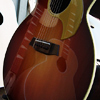
Sorry for the non-Ric Pics here but I wanted to show the Checked binding.


The only real problem I have with it is when it's plugged in and turned up loud.................lot's o feedback. It's a totally hollow guitar.
I mostly play it on the couch unplugged, it's got a nice acoustic tone that's quiet enough not to bug everybody while watching TV.
Sorry for the non-Ric Pics here but I wanted to show the Checked binding.

Re: Who designed the 330 model?
Who changed Rossmeisl's design to the current 330 design(which appears to been unchanged since the early 1960s)?
Two wrongs don't make a right, but three rights do make a left.

Re: Who designed the 330 model?
No Dan, much appreciated! After you mentioned it, I was looking on Google for a Coronado with checkerboard but couldn't find one. That looks pretty sick.Danotron wrote:Sorry for the non-Ric Pics here but I wanted to show the Checked binding.
I'd love to own one of these (or a Bass VI)!
-
jingle_jangle
- RRF Moderator
- Posts: 22679
- Joined: Wed Dec 22, 2004 6:00 am
- Contact:
Re: Who designed the 330 model?
Not sure who exactly did it, but if you play an "old" Capri, with the higher waist, and a "later" one, you'll immediately be aware of the immense improvement in playing comfort...the guitar balances better if you're sitting down, and the headstock end of the neck is right in reach. This makes the guitar feel more compact than it is. I love the beauty of the old Capris, but for sit-down playing, the new style wins hands-down.
Now, who plays sitting down, you ask?
Re: Fender Coronado and especially LTD. I was musically active and an equipment gearhead back in the mid-to-late '60s when these were fresh on the market, and as far as I can remember, they were met with stunned silence. I think they sold like Valentine's Day cards on February 15th.
The music scene, primarily in the UK ,Oz, and America, was changing rapidly and the guys in charge (who were fully 30 years older than their customer base at the time), ranged in attitude from, "they'll like what we give them as long as it's got bright shiny stuff all over it" (witness that Kay knockoff bass and all the Japanese solidbody stuff that came out in post-'64--mediocre at very best, and mostly nasty, cheap and anything but cheerful, though much of it is highly-collectible these days), to real attempts at breaking new sonic and aesthetic ground (Mosrite, Rickenbacker 12s, transistor keyboards).
Here we've got the collision between the acoustic expert, traditionally-trained luthier who was Rossmeisl, with his German esthetic and eye for detail and European methods and vision, and an America that began the guitar blitz weakly with the cowboy music, and then the Kingston Trio and PP & M (in any event, flattop Western guitars ruled) and then built upon itself and bled over into electric instruments with the Invasion, in a HUGE way.
His work for Gibson largely ignored, he moved on to doing lovely work for Rickenbacker (the unrealized peak of his powers) and went on to play a large part in Fender's post-CBS foray into acoustic instruments, if Forrest White's account of this episode is to be believed. Here's this mega-conglomerate, arrogant as hell, but having limited knowledge and industry connections, being faced with a directive to capture X percent of the acoustic market away from Martin, Gibson, and Guild. Who turns up but Rossmeisl with pretty decent credentials and a really nice portfolio, talking the talk and walking the walk. After he gets the acoustic operation moving along and fires put out, he sells Fender management (or they sell him?) on a premium line of acoustics and acoustic/electrics, which they put together with the Wildwood dye process and lay the biggest egg of the '60s.
The LTD, though a collectible rarity now, was the culmination (read: biggest flop) of the whole mess, with a very weird combination of post war Teutonic details (German-carved top, checkerboard purfling, traditional German proportions of the day) with "modern" American appointments like coloration and some of the hardware details. There are a number of jarring notes; among them is the AWFUL tailpiece design, the FUSSY pickup rings, the totally NON-FENDER headstock, and of course those nasty color combinations.
Funny, many of these elements worked and continue to work on Rickenbacker instruments, but fell worse than flat on the Fenders. I don't regret that; in fact, I'm glad that there aren't too many of these things to lay eyes on. The era has been over for a long time and I'm glad of that.
That having been said, Dan, anytime you want to consider unloading that monstrosity , let me know!
Now, who plays sitting down, you ask?
Re: Fender Coronado and especially LTD. I was musically active and an equipment gearhead back in the mid-to-late '60s when these were fresh on the market, and as far as I can remember, they were met with stunned silence. I think they sold like Valentine's Day cards on February 15th.
The music scene, primarily in the UK ,Oz, and America, was changing rapidly and the guys in charge (who were fully 30 years older than their customer base at the time), ranged in attitude from, "they'll like what we give them as long as it's got bright shiny stuff all over it" (witness that Kay knockoff bass and all the Japanese solidbody stuff that came out in post-'64--mediocre at very best, and mostly nasty, cheap and anything but cheerful, though much of it is highly-collectible these days), to real attempts at breaking new sonic and aesthetic ground (Mosrite, Rickenbacker 12s, transistor keyboards).
Here we've got the collision between the acoustic expert, traditionally-trained luthier who was Rossmeisl, with his German esthetic and eye for detail and European methods and vision, and an America that began the guitar blitz weakly with the cowboy music, and then the Kingston Trio and PP & M (in any event, flattop Western guitars ruled) and then built upon itself and bled over into electric instruments with the Invasion, in a HUGE way.
His work for Gibson largely ignored, he moved on to doing lovely work for Rickenbacker (the unrealized peak of his powers) and went on to play a large part in Fender's post-CBS foray into acoustic instruments, if Forrest White's account of this episode is to be believed. Here's this mega-conglomerate, arrogant as hell, but having limited knowledge and industry connections, being faced with a directive to capture X percent of the acoustic market away from Martin, Gibson, and Guild. Who turns up but Rossmeisl with pretty decent credentials and a really nice portfolio, talking the talk and walking the walk. After he gets the acoustic operation moving along and fires put out, he sells Fender management (or they sell him?) on a premium line of acoustics and acoustic/electrics, which they put together with the Wildwood dye process and lay the biggest egg of the '60s.
The LTD, though a collectible rarity now, was the culmination (read: biggest flop) of the whole mess, with a very weird combination of post war Teutonic details (German-carved top, checkerboard purfling, traditional German proportions of the day) with "modern" American appointments like coloration and some of the hardware details. There are a number of jarring notes; among them is the AWFUL tailpiece design, the FUSSY pickup rings, the totally NON-FENDER headstock, and of course those nasty color combinations.
Funny, many of these elements worked and continue to work on Rickenbacker instruments, but fell worse than flat on the Fenders. I don't regret that; in fact, I'm glad that there aren't too many of these things to lay eyes on. The era has been over for a long time and I'm glad of that.
That having been said, Dan, anytime you want to consider unloading that monstrosity
, let me know!-
gellkeller

- Intermediate Member
- Posts: 561
- Joined: Wed Apr 04, 2007 3:32 pm
- Contact:
Re: Who designed the 330 model?
Rossmeisl was right on the money with the Telecaster Thinline design. Both the '69 and '72 models are an absolute joy to play.
-
jingle_jangle
- RRF Moderator
- Posts: 22679
- Joined: Wed Dec 22, 2004 6:00 am
- Contact:
Re: Who designed the 330 model?
They are wonderful players and address one issue that some players have with the original Teles--weight. But they're more of an adaptation than an original design. I remember thinking when they first came out that the pickguard design was oddly-shaped and forced, compared to the elegant spareness of Leo's original...

Re: Who designed the 330 model?
jingle_jangle wrote: the Wildwood dye process and lay the biggest egg of the '60s.
The LTD, though a collectible rarity now, was the culmination (read: biggest flop) of the whole mess, with a very weird combination of post war Teutonic details (German-carved top, checkerboard purfling, traditional German proportions of the day) with "modern" American appointments like coloration and some of the hardware details. There are a number of jarring notes; among them is the AWFUL tailpiece design, the FUSSY pickup rings, the totally NON-FENDER headstock, and of course those nasty color combinations.
Funny, many of these elements worked and continue to work on Rickenbacker instruments, but fell worse than flat on the Fenders. I don't regret that; in fact, I'm glad that there aren't too many of these things to lay eyes on. The era has been over for a long time and I'm glad of that.
That having been said, Dan, anytime you want to consider unloading that monstrosity
For some reason---the immediate post-CBS era is my favorite for Fenders.....people can pay big bucks for pre-CBS, fine with me! I love transtional stuff- Paisley & Rosewood Telecasters, Competition Mustangs, Jaguars/JM's with neck binding and block inlays......."leftover" guitars like the Maverick/Custom, Swinger/Musiclander.....Electric XII, Coronado (especially the wildwood and antigua finishes), the LTD looks super cool to me (never played one though), and I actually dig the Fender-headstock acoustics.
I guess there are differences in the build, but almost every one of the above guitars I mentioned has been a superb playing/sounding guitar--much cooler and well-playing as plenty of guitars sold today. I can't be alone in thinking that these are some very cool instruments?
Maybe it's a generational thing...? I can draw a list of "guitar heroes" from bands I was into growing up (think 1990's) that heavily used CBS Fenders, and I have no doubt that it's influenced plenty of people my age. Maybe for this reason, there isn't a stigma attached to post-CBS Fenders that is closely linked to older classic rock artists? I dunno...
I do know that for a LONG time, you could hardly sell a post-CBS Fender....and now they are creeping up in price big time. SO, either the insane price of some pre-CBS Fenders naturally dragged the price of post-CBS guitars up marginally with them, or people woke up and realized that some very good and COOL guitars were made after CBS bought Fender. I'm thinking it's the latter of the two.....
PS....Dan, that Coronado is bitchin!! I never saw that one at your pad, you do have a sunburst though, right?

Re: Who designed the 330 model?
I thought it was more of a fix for the fact that post-CBS Fender was using very heavy (cheap) wood for teles, and the thinline was a design solution to that problem.jingle_jangle wrote:They are wonderful players and address one issue that some players have with the original Teles--weight.
-
paologregorio
- Senior Member
- Posts: 6376
- Joined: Wed Aug 08, 2007 12:56 pm
- Contact:
Re: Who designed the 330 model?
It might have been Rossmeisl himself; the newer "Capri" style bodies were introduced before he left RIC, so it's possible he was responsible for the changeover.bails wrote:Who changed Rossmeisl's design to the current 330 design(which appears to been unchanged since the early 1960s)?