woodyng wrote:i guess i am either lucky,or the fact that my bass is set-neck may have something to do with it (?),but my experience with the hipshot bridge could not be better.
That could have everything to do with it. When the neck was glued in it was probably shimmed for the proper angle like a luthier would do, and this kind of joint isn't as likely to move around over time (it would seem) as a neck-through joint with a big chunk of wood removed from it for a neck pickup. That's why my bass needed a countersinking regardless of what bridge was on it--I had the same problems as a stock bridge.
If Hipshot would make some small design changes they could greatly improve their aftermarket Ric bridge. I won't get into it here, but it would be simple enough for them.
I have done a lot of bridge and tailpiece schlepping over the years and my conclusion is that if you can make the stock bridge work for you, that is best. However, the Hipshot bridge has certain advantages and in the right situation (like a bass where you have to countersink the tailpiece anyway) it can actually work to its full potential. The Allparts bridge is something I would categorically stay away from; for its price, there's no way they're using as good of materials as RIC, and Dane correctly pointed out that RIC has done some under-the-hood reinforcing to their in-house part in recent years (although that doesn't do much to save the poor C64s with only 3 screws holding the tailpiece down).



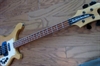

 As far as the all parts bridge that was mentioned.They are taller than a stock rick bridge.So if you have an older bass with any upward pitch to your neck,you will not be able to get the action down.I have modified them before by actually removing the saddle inserts,and cutting string slots in the saddle itself! It Will work.but.....