Simple cure for bridge lift?

Vintage, Modern, V & C series, Fretless, Signature & Special Editions

Moderators: rickenbrother, ajish4

rickaddict
Senior Member
Posts: 6163
Joined: Mon Mar 29, 2004 7:46 am

Re: Simple cure for bridge lift?

Post by rickaddict »

I'm far from an expert on the subject, but I remember a discussion on the fret wire RIC has used over the years...probably somewhere on this forum...and I think that in addition to the size changing, the alloy also has changed. IIRC, the 60's/70's fret wire was softer than that used today...it had more nickel in the mix, which is the reason they tend to turn green when they tarnish.

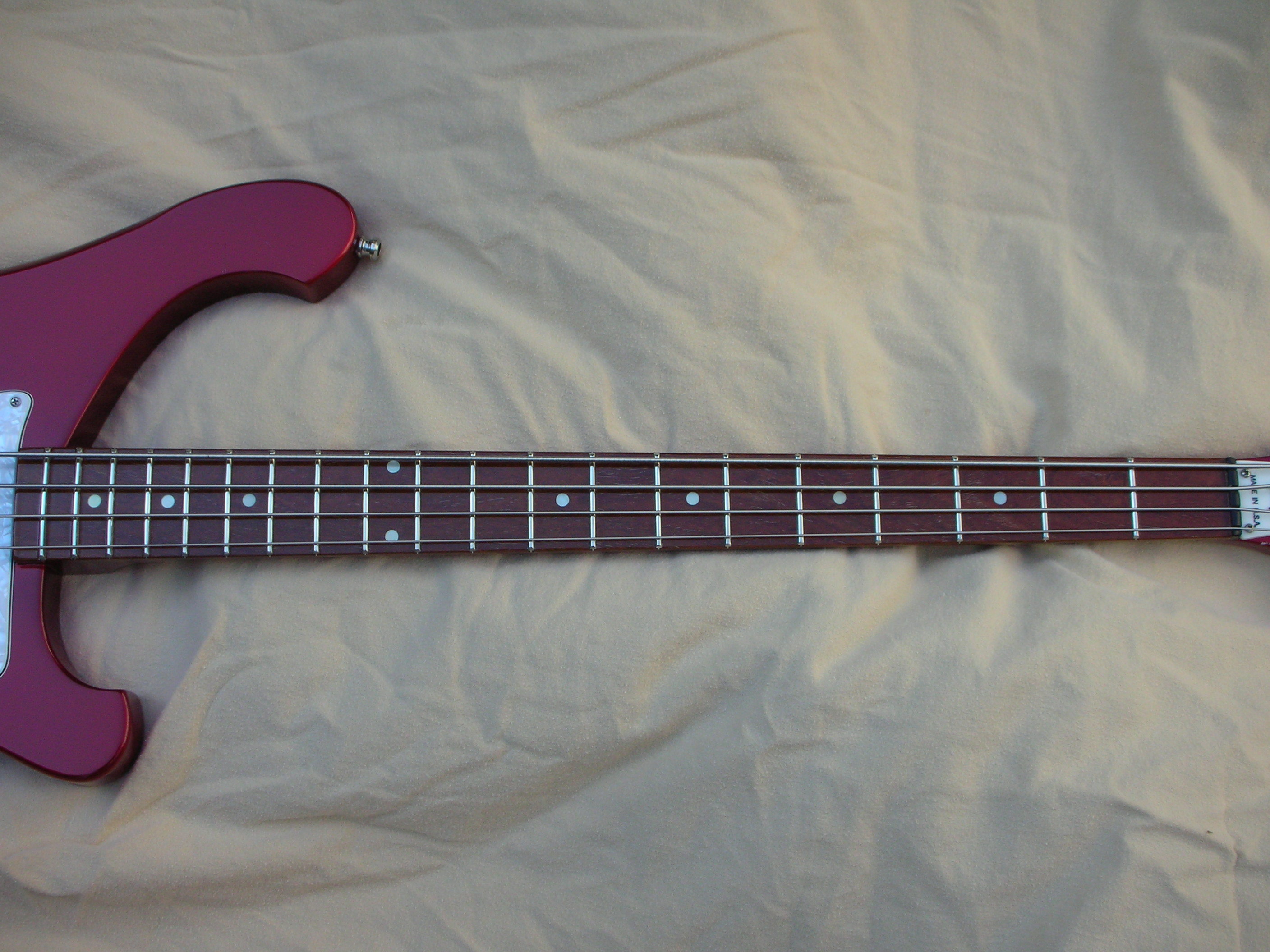
My late 80's 4003's were born with really fat frets and I like 'em!

http://www.rickresource.com/register/us ... llsize.jpg

8)
Gilmourisgod
Member
Posts: 327
Joined: Wed Feb 12, 2014 9:26 am

Re: Simple cure for bridge lift?

Post by Gilmourisgod »

I must have had the old softer nickel ones on my 79' 4001, I'd forgotten about the tarnish, but now that you mention it I remember that the frets would go dull looking if you left it in the case awhile, or on parts of the neck that didn't get played much. Those frets you have look like medium jumbo's?
rickaddict
Senior Member
Posts: 6163
Joined: Mon Mar 29, 2004 7:46 am

Re: Simple cure for bridge lift?

Post by rickaddict »

Oh...and as for the OT...

Yawn.

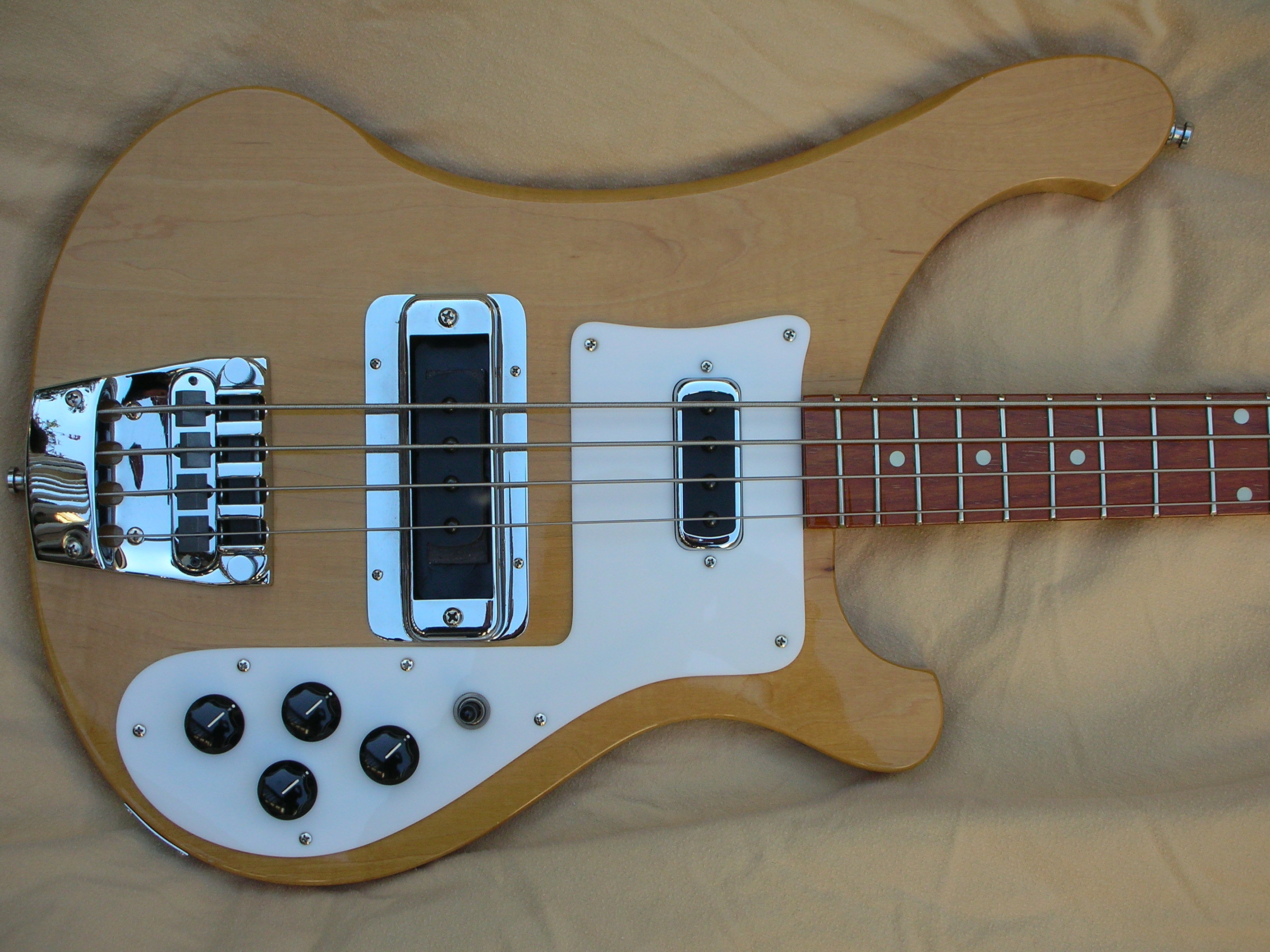
The Hipshot sounds different from a RIC tail from what others here have posted. But if it makes you happy, then buy one. As for me, no non-RIC tail will do. The RIC tail may take a little work to set up, but they sound great, look great, and work fine. Plus you get that crazy mute thing if you're patient enough to set it up, too. The only beef I have with the RIC tail is that I have to pull the string from the saddle in order to access the intonation screws. But how often do I need to set my intonation? Really...it's a non issue and I personally wouldn't want any changes to it. Okay...maybe, as Pete suggested a return to the aluminum 3 screw tail would be nice. It would lighten up the bass a bit and would be less likely to lift. But speaking as a guy that's owned over 25 Rick basses from a '71 to an '06...this is an issue that just doesn't warrant the attention that it gets.

Here's my $.02: Get yourself another Rick. Play it. Hear it. Look at it. Smell it. It is art and will please your senses. Informal scientific studies have shown that Rick ownership leads to happiness in most bass players.
rickaddict
Senior Member
Posts: 6163
Joined: Mon Mar 29, 2004 7:46 am

Re: Simple cure for bridge lift?

Post by rickaddict »

Gilmourisgod wrote:I must have had the old softer nickel ones on my 79' 4001, I'd forgotten about the tarnish, but now that you mention it I remember that the frets would go dull looking if you left it in the case awhile, or on parts of the neck that didn't get played much. Those frets you have look like medium jumbo's?
I'm not sure, but I'll take your word for it. Same frets came on my other '87 and on my '88. Must have been OEM in the late 80's Here's my '87 MG:

http://www.rickresource.com/register/us ... llsize.jpg

User avatar
cassius987
Senior Member
Posts: 4723
Joined: Mon Aug 04, 2008 2:11 pm

Re: Simple cure for bridge lift?

Post by cassius987 »

pag wrote:Going back to the start of the thread is the question of what do you do to cure tail lift?

I think its a valid question and although its been discussed many times so have lots of other
aspects of the 4000 series design.

Lets have some more ideas please.
If the question is what does the end user do, there are tons of answers, including use an aftermarket bridge, add more screws or just don't worry about it because it's probably not worth the sweat. Or if one is obsessed about the old aluminum tailpiece, try to acquire one.

If the question is what does RIC do about it, only they know. It's questionable to me whether there is any problem that needs addressing regarding the 5-screw version of the tailpiece, especially as far as modern examples go. I've seen lift on some '70s versions that apparently were less beefy under the hood. Apparently it is cost prohibitive to return to the 3-screw aluminum tailpiece design that you prefer, but that's just as well to me since I think it'd be better to just go with a different design than revert to the past. (The foam mute and its housing need to go, methinks.) But maybe that just means if I ever buy another new Ric it ought to be a 4004, since there is clearly a large group of people who want things to go back to the '60s in as many respects as possible. But in the case of the 4004, I am not as big a fan of the pickup placement, leaving me a bit stuck. Plus, I do like the sharp corners on the 4003 body.

It all ends up idle speculation because A) RRF is not really an accurate sample of RIC's customer base, by participating here we have self-selected into a skewed group no longer representative of all their customers; and B) you can see that even among RRF participants there is a lot of disagreement about whether it would be better for RIC to zig or zag on a given issue. If we can't agree, what is it we are hoping for them to listen to? As long as they're in the black, I don't think they're beholden to listen to anybody but themselves.
rickaddict
Senior Member
Posts: 6163
Joined: Mon Mar 29, 2004 7:46 am

Re: Simple cure for bridge lift?

Post by rickaddict »

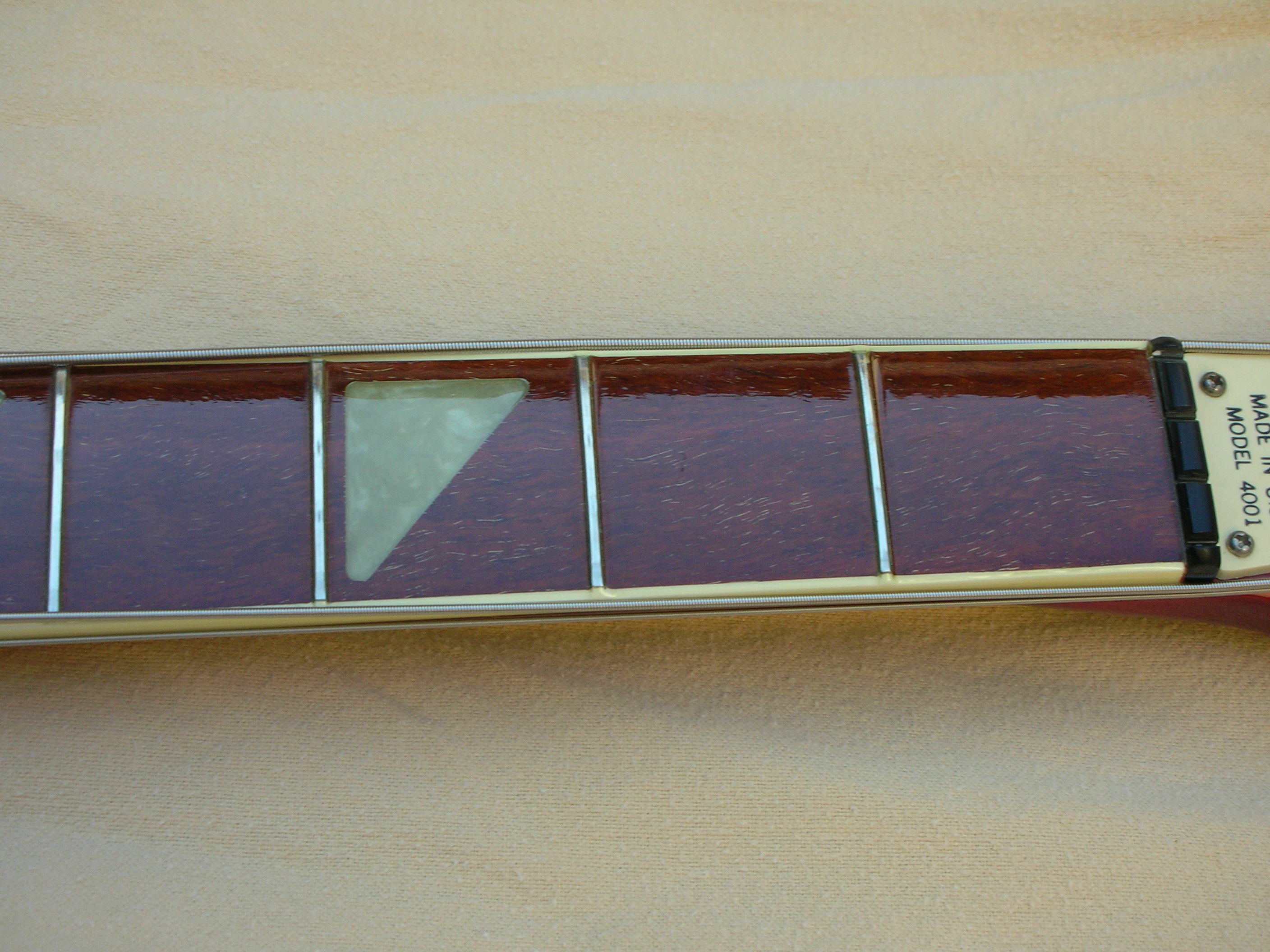
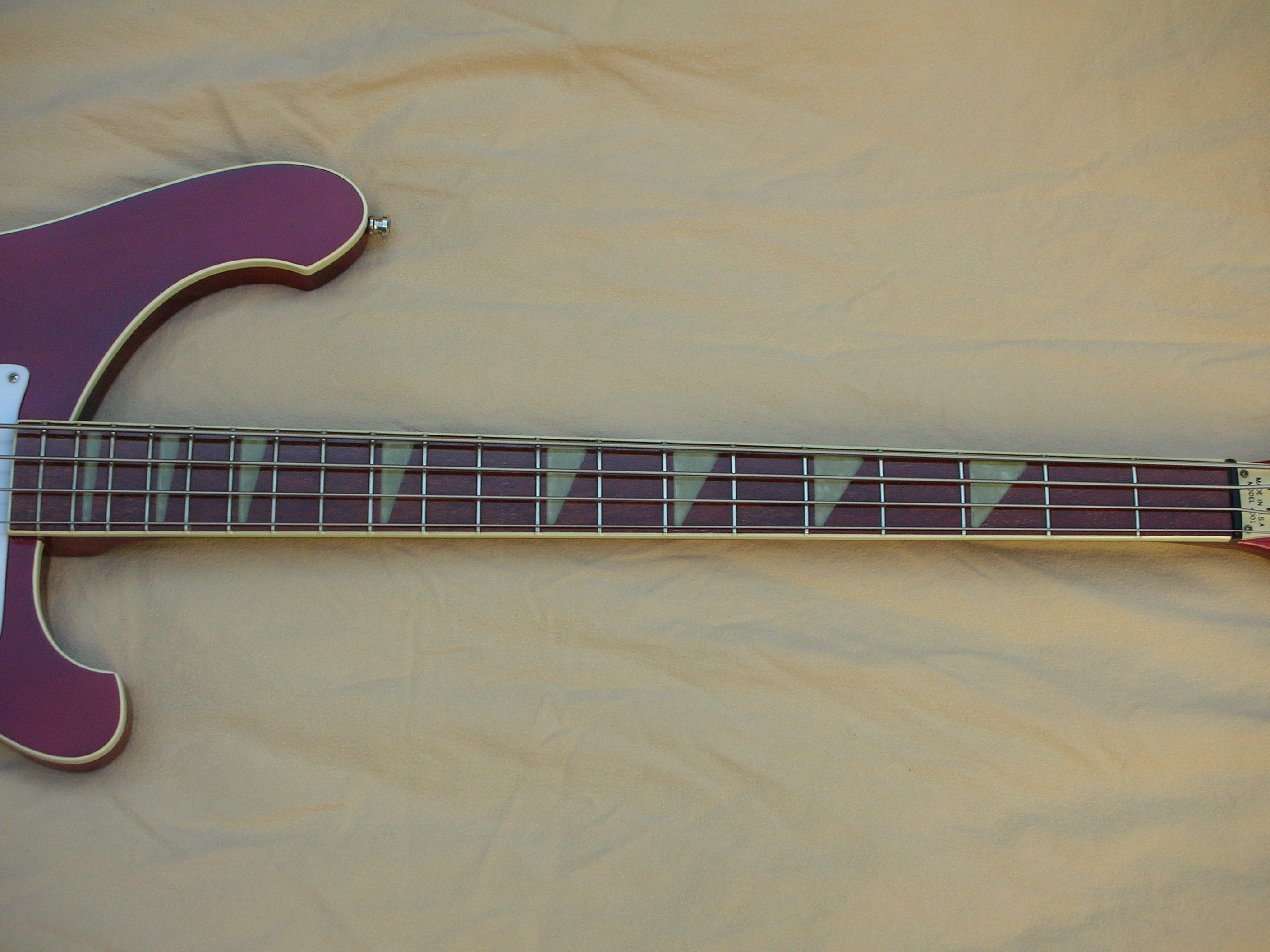
Gilmourisgod wrote:I must have had the old softer nickel ones on my 79' 4001, I'd forgotten about the tarnish, but now that you mention it I remember that the frets would go dull looking if you left it in the case awhile, or on parts of the neck that didn't get played much.
Oh, and yes...Your '79 4001 would have had the old softer frets. Here's a nice, original '79 for comparison:

http://www.rickresource.com/register/us ... llsize.jpg

http://www.rickresource.com/register/us ... llsize.jpg
User avatar
woodyng
Senior Member
Posts: 4478
Joined: Thu Jan 11, 2007 11:11 am

Re: Simple cure for bridge lift?

Post by woodyng »

rickaddict wrote: Here's my $.02: Get yourself another Rick. Play it. Hear it. Look at it. Smell it. It is art and will please your senses. Informal scientific studies have shown that Rick ownership leads to happiness in most bass players.
Yes! :wink:
User avatar
johnallg
Rick-a-holic
Posts: 17688
Joined: Wed Apr 05, 2006 12:13 pm

Re: Simple cure for bridge lift?

Post by johnallg »

pag wrote:I also use RS66LD strings by the way and its just a fact of life that a moving roundwound stainless steel string
will wear your frets out.
Thats why guitar repairers have a job.

Going back to the start of the thread is the question of what do you do to cure tail lift?

I think its a valid question and although its been discussed many times so have lots of other
aspects of the 4000 series design.

Lets have some more ideas please.
Nobody has brought up the washer/maple plug solution from many years ago that works really good. By filling the gap between the bottom of the 3 screw area of the tailpiece and the rout it sits in, you do not pull the tailpiece down into the rout and pre-stress the tailpiece to lift at the point it hits the body by the rout.
User avatar
johnhall
RIC
Posts: 3926
Joined: Tue Sep 26, 2000 11:17 am
Contact:

Re: Simple cure for bridge lift?

Post by johnhall »

johnallg wrote:Nobody has brought up the washer/maple plug solution from many years ago that works really good. By filling the gap between the bottom of the 3 screw area of the tailpiece and the rout it sits in, you do not pull the tailpiece down into the rout and pre-stress the tailpiece to lift at the point it hits the body by the rout.

This would be a good time to mention that this is not necessary in newer instruments as the rout depth now matches the tailpiece, although with some tolerance due to sanding and finish thickness.

Also, late last year when the molds were moved to a new, higher tech die caster, the alloy was again modified for further stiffness.
IMG_0893.JPG
Lastly, I personally think any advantages of the old aluminum part is overstated. Both of the two instruments I have with them show lift, while only about 20% of the rest of the many basses I have show much lift. The aluminum is decidedly less stiff than the zinc and sandcast rather than precision die cast which makes a weaker part. If one were to make the current part out of aluminum (or any alloy one could reasonably afford anyway), I'm pretty sure it would fold up the first time you strung it up.
User avatar
cassius987
Senior Member
Posts: 4723
Joined: Mon Aug 04, 2008 2:11 pm

Re: Simple cure for bridge lift?

Post by cassius987 »

I know nothing about die casting, but that is a cool photo. Thanks for sharing!
User avatar
ram
Senior Member
Posts: 3743
Joined: Sun Jun 25, 2006 2:55 pm

Re: Simple cure for bridge lift?

Post by ram »

Thanks John, a very nice balancing act you all are pulling off there.

I really think that gap may be the start of the lift in my case. I didn't happen on my '74 4001 until it was a few years old. This after, in my youthful exuberance, I got a notion to tighten every screw on the bass, including the tailpieces'. I noticed the lift a couple of days later. I think I may have prompted the lift by torquing the screws into the gap... anyhow it was never a biggie, my lift is about the thickness of a credit card a 1/4 of an inch in under the tailpiece. Hasn't budged in decades and if it did, there would be two screws on it like my S5 has.
The only thing we can perceive are our perceptions - George Berkeley
Post Reply

Return to “Rickenbacker Basses: by Joey Vasco & Tony Cabibe”